Hospitality SEO Canada
Most hospitality websites compete for the same handful of transactional keywords in Toronto, Vancouver, Montreal, and Calgary.
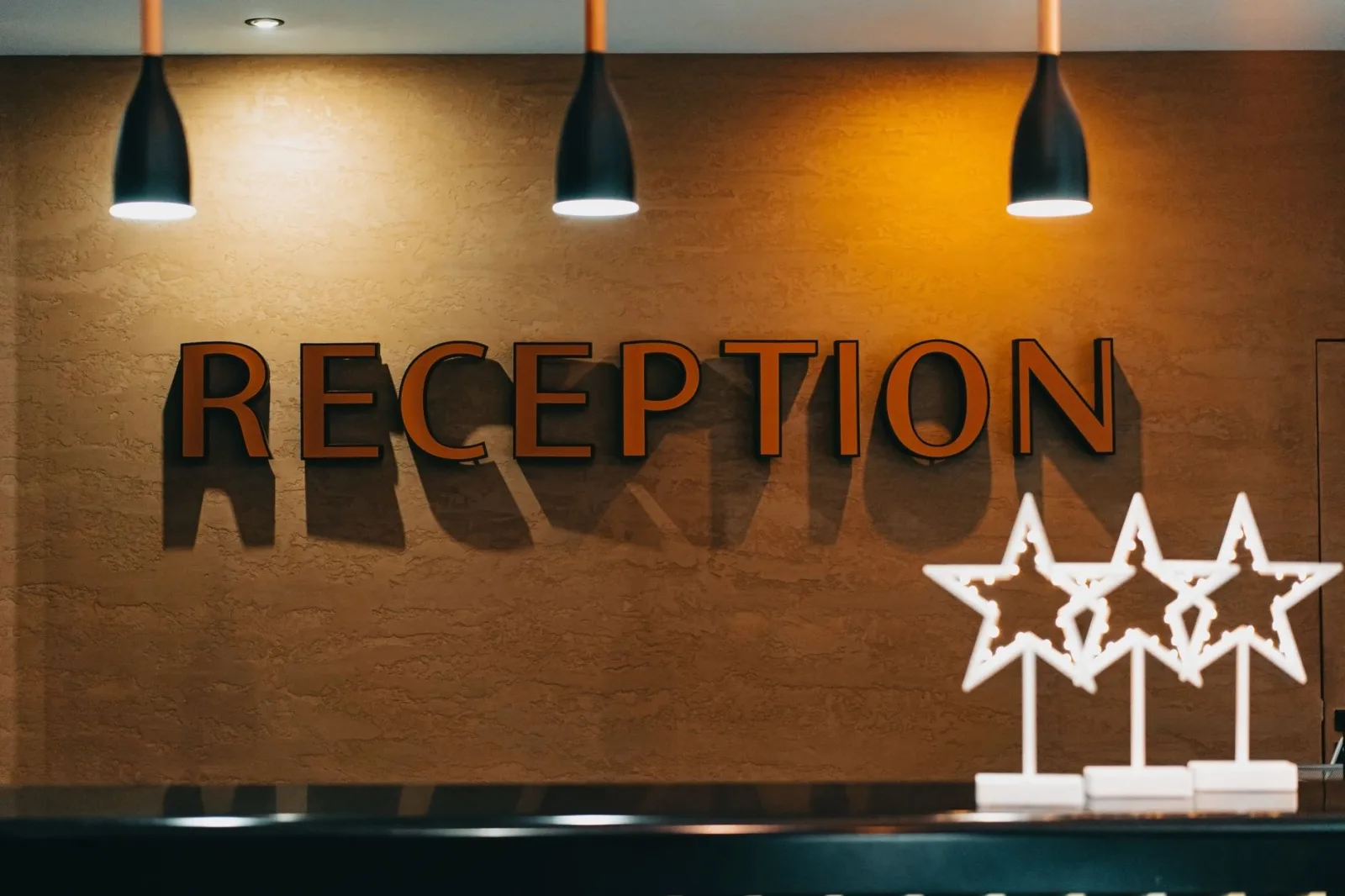 Photo by Quang Nguyen Vinh
on Pexels
Photo by Quang Nguyen Vinh
on Pexels
Why Canadian hospitality brands need a market-specific SEO partner
Hospitality is a local business with national and international reach. A hotel in downtown Vancouver competes against OTAs, global chains, boutique independents, and short-term rental platforms. A resort in Whistler competes for different seasonal demand than a business hotel in Mississauga.
Generic, one-size-fits-all SEO does not account for:
- Regional demand patterns — search volume shifts by season, weather, events, and travel corridors.
- Language and cultural signals — English and French queries behave differently, even outside Quebec.
- Local pack competition — Google Maps and hotel finder features often outrank traditional organic listings.
- OTA dominance — Booking.com, Expedia, and TripAdvisor occupy valuable first-page real estate.
A hospitality SEO strategy for Canada must be built around your specific market, property type, and revenue goals — not a recycled template.
What hospitality SEO Canada includes
We design each programme around four connected workstreams. No disconnected checklists. No activity for the sake of activity.
1. Technical indexing and crawl efficiency
Before content can rank, search engines must be able to find, crawl, and understand your pages. For hospitality sites, this often means:
- Eliminating duplicate or thin property pages
- Resolving faceted navigation issues on booking engines
- Optimising internal linking between rooms, amenities, packages, and location pages
- Fixing JavaScript rendering problems on booking widgets and interactive maps
- Improving Core Web Vitals for mobile-first travellers
Every technical recommendation is tied to a business outcome — more indexed pages that drive revenue, fewer wasted crawl cycles on low-value URLs.
2. Content and entity signals aligned to traveller intent
Canadian travellers search differently depending on where they are in the planning journey. We build content architectures that match real intent, not just keyword volume.
- Destination + property content — pages that connect your property to the surrounding area, attractions, and experiences
- Seasonal and event-based content — ski season, summer festivals, conference calendars, holiday packages
- Room and amenity detail pages — structured, useful, and differentiated from OTA descriptions
- Entity and schema markup — structured data for hotels, resorts, local businesses, FAQs, and reviews
This makes your site understandable to both traditional search engines and AI-assisted answer engines.
3. Local visibility and location relevance
For multi-location hotel groups or hospitality businesses with a physical footprint, local SEO is not optional. We focus on:
- Google Business Profile optimisation for each property
- Location page architecture that avoids cannibalisation
- Local citation consistency across Canadian directories
- Review signal management and response workflows
- Hyper-local content that earns relevance in specific neighbourhoods and regions
4. Measurement tied to commercial outcomes
Traffic without bookings is vanity. We report on the metrics that matter to Canadian hospitality operators:
- Organic-assisted direct bookings
- Request-a-quote and check-availability form submissions
- Call tracking from organic search
- Revenue per organic session
- Visibility share for priority keywords and local packs
We connect SEO performance to your property management system, booking engine, or CRM so you can see the full path from search to revenue.
How we structure delivery
Every engagement begins with a structured discovery and audit phase. We do not start with tactics. We start with evidence.
Phase 1: Baseline and opportunity mapping
- Technical audit of crawlability, indexation, and site performance
- Competitive analysis against Canadian hospitality competitors and OTAs
- Keyword and intent mapping by region, property type, and season
- Revenue page identification — which pages drive bookings, enquiries, and ancillary revenue
Phase 2: Prioritised work packages We translate findings into three workstreams:
- Technical fixes — blocking issues first, performance improvements second
- Content development — new pages, content refreshes, and entity optimisation
- Local authority building — citations, reviews, and location-relevant signals
Each work package includes documented rationale, expected impact, and effort estimates. You always know what we are doing and why.
Phase 3: Execution and iteration
- Bi-weekly or monthly delivery cycles
- Ongoing measurement against baseline
- Quarterly strategy reviews to adapt to seasonal shifts and competitive changes
Beyond rankings: visibility in an AI-driven search landscape
The way travellers discover hospitality brands is changing. AI-powered search experiences — from ChatGPT to Google’s AI Overviews — synthesise answers from multiple sources. If your property’s information is not structured, consistent, and authoritative, you will not be cited.
We plan every page to be understandable by:
- Traditional search engines — through clear hierarchy, internal linking, and keyword relevance
- AI answer engines — through entity clarity, schema markup, and trustworthy source signals
- Human travellers — through content that answers real questions and drives action
This future-ready approach protects your organic visibility as search behaviour continues to evolve.
Ready to grow direct bookings through organic search?
If your hospitality business is ready to reduce OTA dependency and build a predictable organic channel, we can help.
Frequently asked questions
Who is this hospitality SEO Canada programme for?
Hotels, resorts, boutique properties, bed and breakfasts, vacation rental companies, and travel experience providers operating in Canada. It is especially relevant for businesses facing intensifying competition in Toronto, Vancouver, Montreal, Calgary, and other major tourism markets.
Does this replace the global hospitality SEO service page?
No. This page describes the market-specific delivery for Canadian hospitality brands. The global service overview remains available as a broader reference for businesses operating across multiple countries.
How quickly can hospitality SEO deliver results?
Technical improvements — such as fixing crawl errors, resolving duplicate content, and improving page speed — can surface within weeks. Sustainable organic growth for competitive hospitality keywords typically requires four to six months of consistent work. We prioritise quick wins alongside long-term compounding initiatives.
Do you work with existing booking engines and property management systems?
Yes. We integrate our measurement and optimisation approach with most major booking engines, PMS platforms, and analytics stacks. We focus on driving organic demand to the pages that convert, regardless of the underlying technology.
What makes Canadian hospitality SEO different from SEO in other markets?
Canada has unique search behaviour driven by bilingualism, seasonal travel patterns, regional competition, and the dominant presence of OTAs. A strategy built for the US or UK market will not account for these nuances. Our approach is built specifically for Canadian travellers and Canadian search results.
Discuss whether this scope fits your website
Share the URL, market, priority pages, and current constraint. The consultation is for fit and priority—not for promising rankings.