International SEO · APAC · Europe · Transparent Reporting
Insights

Search Engine Optimization (SEO)

Articles filed under Search Engine Optimization (SEO).

How to Choose an SEO Outsourcing Company: Buyer Checklist

Selecting an external SEO provider is not a contest of who promises the fastest rankings. It is a structured decision about **fit, control, and verifiable evidence**. Before any contract is signed, both sides need clarity on deliverables, exclusions, approval chains, implementation responsibility, quality gates, data access, and reporting cadence. A trustworthy partner will explain its methods in plain language, share relevant proof, document its recommendations, and set expectations grounded in your actual constraints.
Southeast Asia Search Readiness: A Practical International SEO Framework

Southeast Asia search readiness — a practical international SEO framework — is a validation process U.S. teams use before expanding organic visibility into Singapore, Indonesia, Malaysia, Thailand, Vietnam, or the Philippines. It confirms market priorities, country and language targeting, technical architecture, mobile experience, localization workflow, and measurement before new pages are built.

Website SEO Asia Services & Strategy Guide for Multi Country Brands

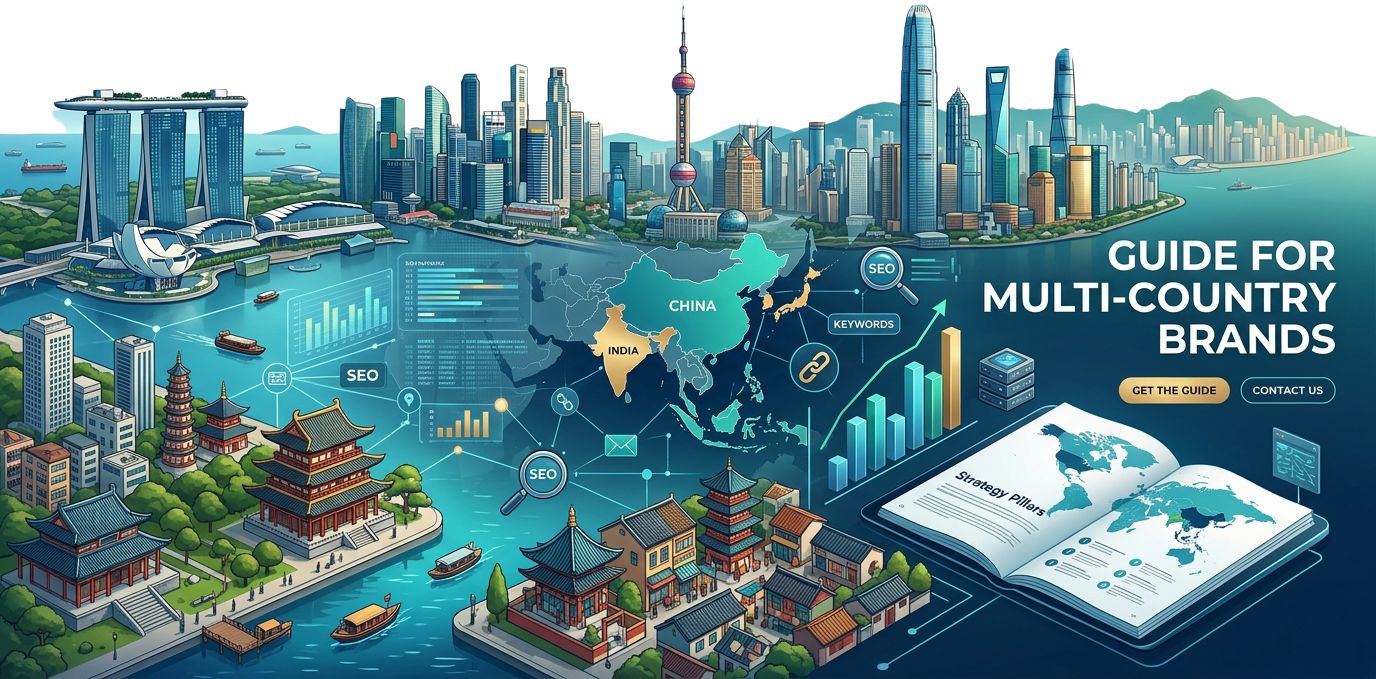
For companies operating across multiple Asian markets, **website SEO Asia** is not a peripheral technical task. It is a core business discipline that shapes how prospective customers first encounter your brand. When a buyer in Singapore, Jakarta, Tokyo, or Mumbai searches for the services you offer, the architecture of your site, the languages you support, and how your pages appear in regional search results determine whether you make the shortlist or vanish into obscurity.

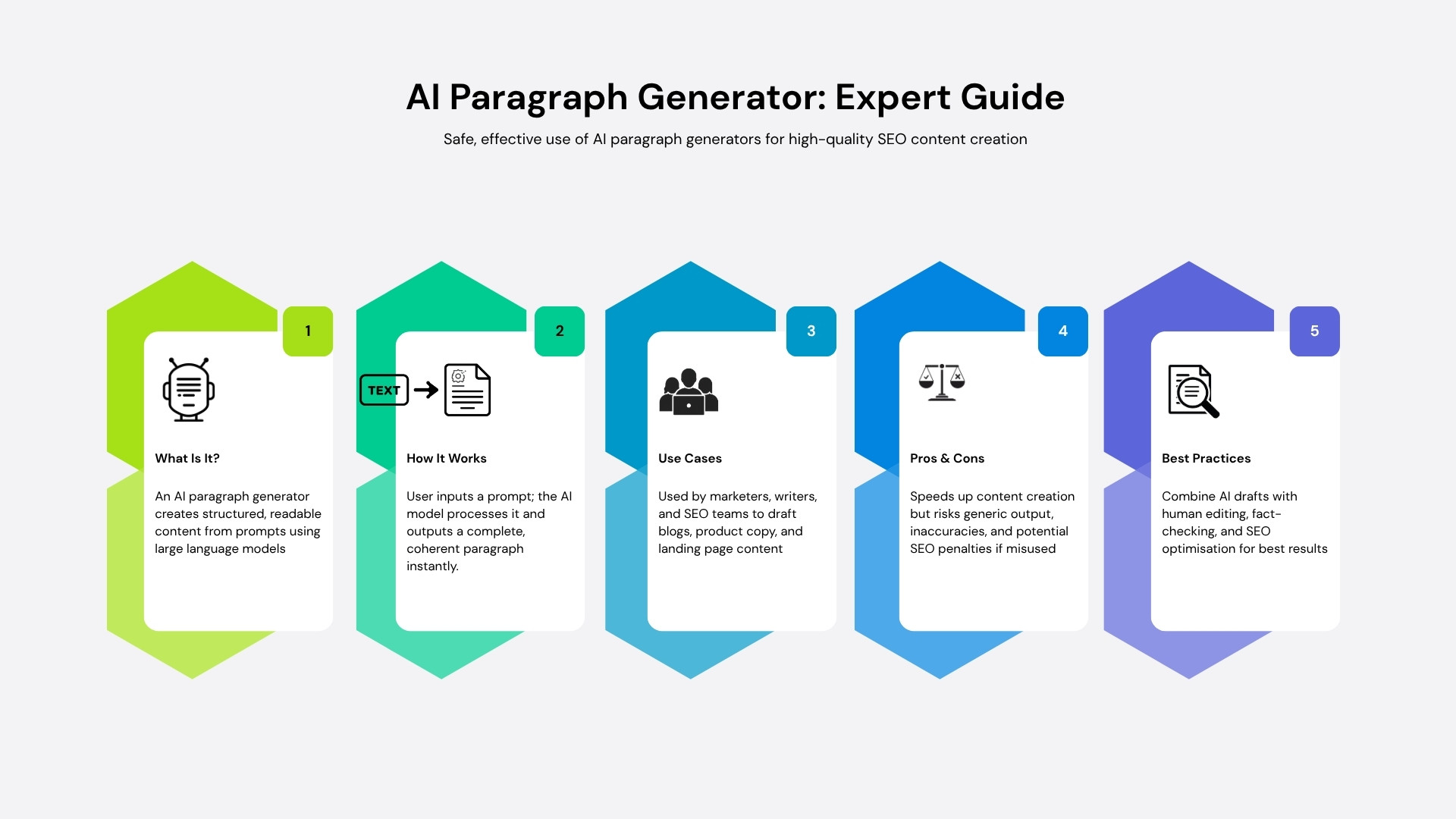
AI Paragraph Generator: What It Is and How to Use It Safely for SEO Content

An AI paragraph generator is an AI writing assistant that turns a short prompt, outline point, or set of keywords into a paragraph-length draft you can edit and refine. For SEO content, it works best as a drafting aid for introductions, explanations, and rewrites — not as a tool for auto-publishing finished pages.

What Is the 80/20 Rule for SEO? A Practical Guide for 2026

What is the 80/20 rule for SEO? It is the observation that a small share of your SEO inputs — roughly 20% of pages, keywords, content pieces, and backlinks — produces roughly 80% of organic traffic, rankings, and leads. It is an application of the Pareto Principle to search optimization, used as a prioritization lens rather than a precise mathematical law.

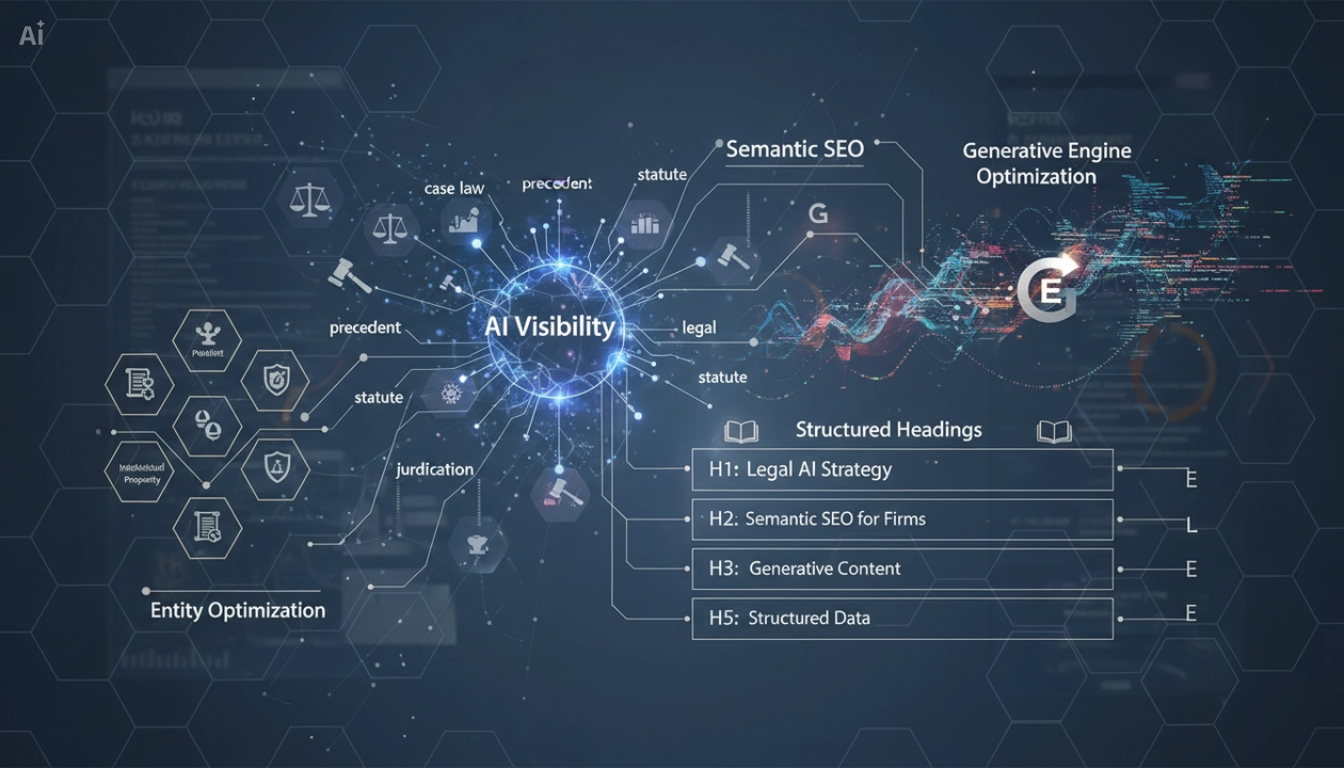
Tracking Website Visibility in AI Search Engines: A 2026 Field Guide

The way people find information online has fundamentally changed. When someone asks ChatGPT, Perplexity, or Google's AI Mode which project management tool fits a five-person team, they don't get ten blue links. They get one synthesized answer — and if your brand isn't inside that answer, you're invisible to that user.

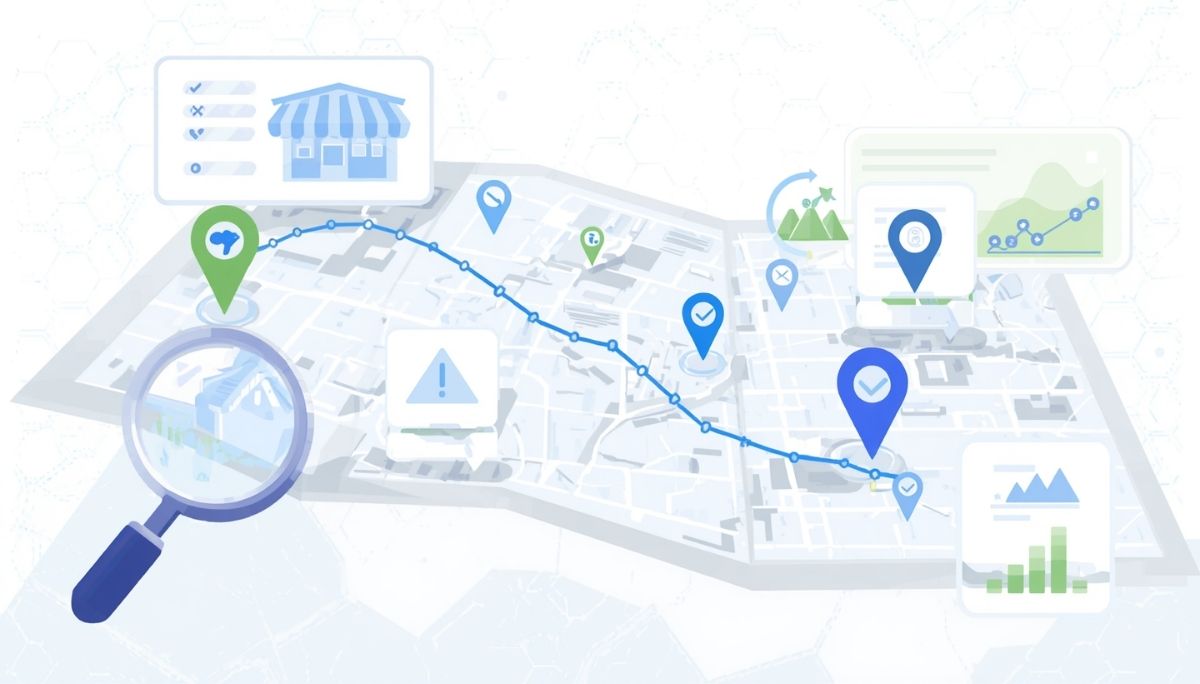
How Do I Compare Local SEO Services for Franchise Locations?

To compare local SEO services for franchise locations, evaluate every provider on the same written criteria: scope per location and for the brand, Google Business Profile management, location-page quality, data accuracy, review process, governance, reporting, rollout plan, and multi-location experience.

What Is SEO? The 2026 Beginner's Guide That Actually Works

Search Engine Optimization (SEO) in 2026 is the practice of making your website easy to find, easy to understand, and trustworthy enough to be shown — and cited — by Google and AI answer engines. If you searched for what is SEO and want the 2026 beginner's guide that actually works, this is it: SEO now covers classic rankings, search features like snippets and People Also Ask, and citations in AI-generated answers.

Search Engine Optimization Blog: How to Write & Optimize Blog Posts (2026)

A search engine optimization blog is a blog where each post is planned around a real search question, written with a clear answer, and formatted so search engines, AI assistants, and readers can understand it. Instead of publishing ideas and hoping for visitors, you research demand first, then create structured, connected articles that help the right audience find you through Google Search and AI-powered results.