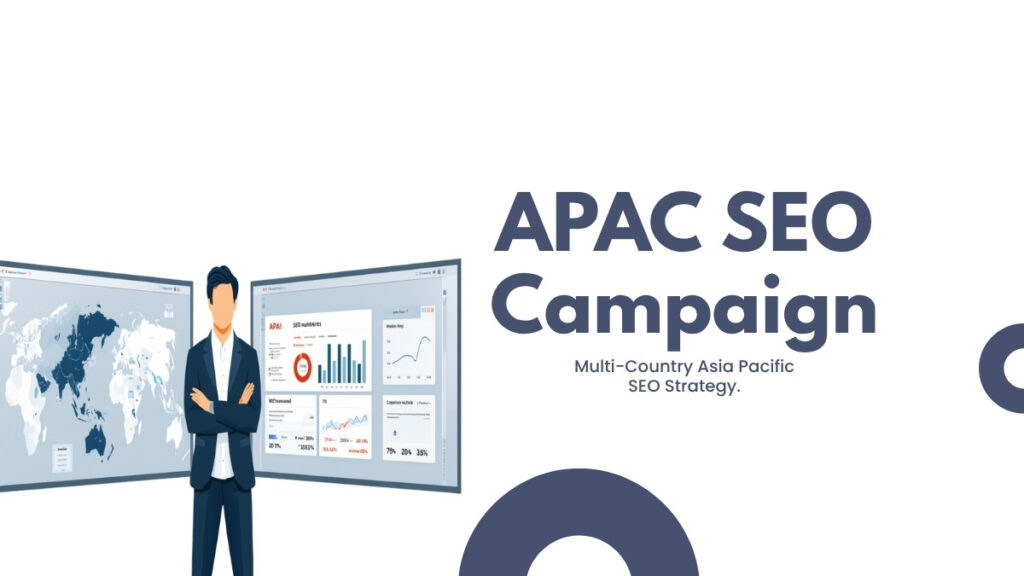
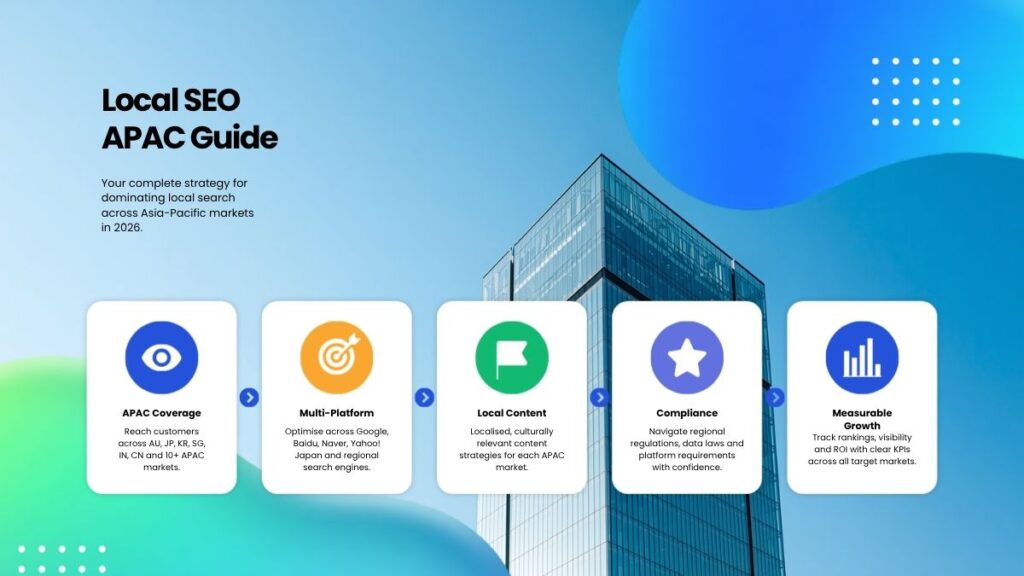
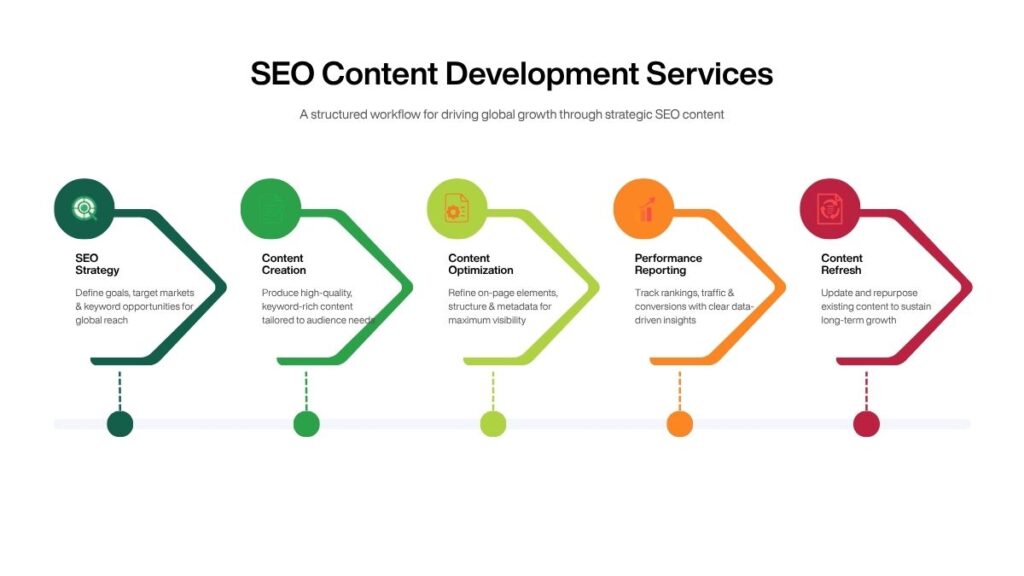
Search readiness across Southeast Asia is not defined by one regional checklist. Businesses need to validate market priorities, language and country targeting, mobile experience, technical architecture, localisation workflows, and evidence-led reporting before expanding organic visibility.
Google remains the leading search engine in key Southeast Asian markets, including Indonesia, Vietnam, Thailand, Singapore, and Malaysia. However, search readiness still depends on whether a website gives users and search engines clear country, language, content, and conversion signals.
This guide brings together public data and official technical guidance to help teams prepare a structured international-search plan. It is not a ranking, certification, or assessment of any individual website.
Southeast Asia Search Readiness at a Glance
The first question is not whether a business needs more pages. It is whether it has the technical, content, language, and measurement foundations to support a defined market.
Readiness area
What to validate
Evidence required
Market selection
Which Southeast Asian markets have a defined commercial objective, audience, offer, and internal owner?
Market-priority framework, commercial goals, and documented stakeholder ownership.
Country and language pages
Whether each intended audience has an appropriate page, language treatment, and regional targeting approach.
URL inventory, page-purpose map, language requirements, and approved publishing workflow.
International technical setup
Whether canonical, hreflang, indexation, internal-link, sitemap, and crawlability signals are consistent.
Technical crawl, page-level validation, sitemap review, and implementation QA.
Mobile experience
Whether important market pages remain accessible, usable, and performant on mobile devices.
Field or lab performance data, mobile QA records, and page-template review.
Localisation
Whether content reflects the target market’s language, terminology, search intent, and conversion context.
Keyword research, local editorial review, approved briefs, and publishing records.
Measurement
Whether visibility, visits, conversions, technical work, content delivery, and dependencies can be assessed by market.
Google Search Console, analytics, agreed conversion definitions, and reporting cadence.
Search Engine Context Across Priority Markets
Google is a major discovery channel in Southeast Asia, but market-level planning still matters. Language needs, site architecture, commercial objectives, device use, and local search intent should be assessed before duplicating content or rolling out country pages.
Google held 93.48% search-engine market share in July 2026, according to StatCounter.
Validate Bahasa Indonesia requirements, mobile experience, page targeting, content ownership, and market-specific search intent.
Vietnam
Public 2026 market-share reporting places Google above 93%.
Confirm Vietnamese-language research, editorial review, technical targeting, and local conversion requirements before rollout.
Thailand
Public 2026 market-share reporting places Google close to 100%.
Assess Thai-language requirements, search-intent differences, local terminology, and the capacity for editorial and technical QA.
Singapore
Public 2026 reporting places Google above 93%.
Confirm the intended English-language, regional, or localised content role rather than assuming one structure serves all audiences.
Malaysia
Public 2026 reporting places Google above 93%.
Assess audience language needs, page structure, content review requirements, and commercial-market priorities.
Philippines
Google is a primary search channel, but market-level implementation should still be validated.
Confirm language, content, measurement, and local-search requirements before committing scope or delivery claims.
International Technical Signals to Review
Country and language targeting should be based on the visible page, intended audience, and site architecture. It should not be treated as a template-only implementation task.
Technical signal
What it should clarify
Review question
Locale-specific URLs
Which users, language, or country a page is designed to serve.
Does each page have a clear audience and commercial purpose?
hreflang annotations
Relationships between equivalent language or language-region page variants.
Are all intended variants present, valid, reciprocal, and self-referencing where required?
Canonical tags
Which URL is preferred when duplicate or highly similar content exists.
Do canonical signals remain consistent with the intended language and regional structure?
Internal links
Relationships between regional hubs, country pages, language pages, and priority service content.
Can users and search engines discover relevant market pages through a clear site structure?
XML sitemaps
Discoverability of approved indexable URLs and language-region variants.
Do sitemaps contain the intended canonical URLs and reflect the implemented architecture?
Mobile performance
Whether key pages remain usable and technically accessible in mobile contexts.
Which templates, images, scripts, redirects, or rendering decisions affect the market experience?
Google advises websites that use different URLs for language versions to use hreflang annotations or sitemaps to indicate the appropriate pages for each audience. Google also states that canonical choices should remain consistent with language variants and that hreflang clusters can help its canonicalisation processes.
Translation changes language. Localisation considers whether the content, terminology, search intent, examples, trust signals, and next step make sense for a defined audience in a defined market.
Confirm the market, intended audience, offer, and commercial objective before creating pages.
Research market-level queries and search intent before reusing another country’s keyword plan.
Define whether content should remain English-language, be translated, be transcreated, or be created specifically for the market.
Assign ownership for content review, legal approval, publishing, technical implementation, and measurement.
Validate that language, page purpose, canonical signals, and hreflang annotations do not conflict.
Measure progress through agreed visibility, organic-visit, conversion, technical, content, and dependency reporting.
A Practical Search-Readiness Process
A readiness review should clarify what is known, what needs validation, who owns each decision, and what evidence is required before implementation begins.
1
Define Markets
Confirm the markets, audience, commercial objective, offer, and internal decision owner.
2
Map Pages and Languages
Review current URLs, country pages, language pages, content roles, and page-purpose gaps.
Identify research, writing, translation, editorial review, approval, and publishing requirements.
5
Set Measurement
Define evidence sources, conversion definitions, reporting cadence, limitations, and next actions.
Apply the Framework to Your Market Plan
A practical Southeast Asia search strategy begins with confirmed markets, language requirements, website architecture, ownership, and evidence—not generic regional claims.
For organisations planning market-level search visibility across Singapore, Indonesia, Malaysia, Thailand, Vietnam, or the Philippines, explore our Southeast Asia SEO services.
Request a Search-Readiness Review
Share your target markets, website URLs, existing country or language structure, commercial goal, and known implementation constraints.
Senior Search Strategist specializing in SEO, AEO, and Generative Engine Optimization (GEO). With over a decade of experience, Rick helps brands and applications (ASO) maximize their visibility across traditional search engines, AI answer engines, and app stores.